
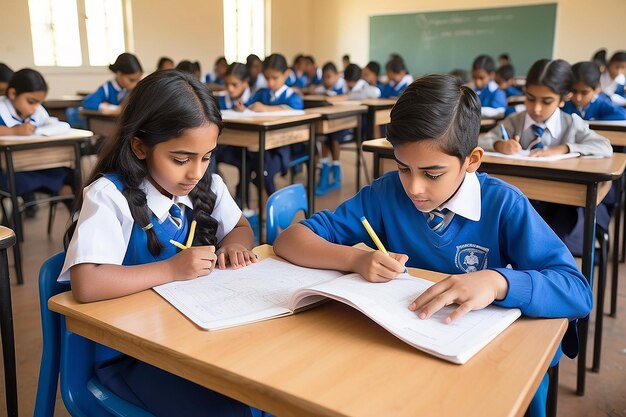
Independence in childhood is not a switch that flips at a certain birthday; it is a set of small capabilities built through daily practice. When children learn to handle manageable responsibilities, they develop a quiet confidence that later supports academics, relationships, and decision-making. The real goal is not to make children “do everything alone,” but to help them discover that they can begin, persist, and finish tasks with increasing self-trust.
Responsibility That Fits Their Age
Early independence starts with responsibilities that match a child’s size, attention span, and emotional readiness. Putting away personal items, preparing a simple snack, managing a small checklist, or organizing school materials are not trivial chores; they are training grounds for self-management. In homes and schools where adults resist the urge to over-correct, children learn to notice what needs doing and to take action without constant reminders. That shift in acting because it’s necessary rather than because an adult is watching becomes a cornerstone of mature behavior.
Structured Freedom Away From Home
Some children experience a leap in independence when they spend time in environments that balance routine with choice, including settings such as a boarding school in Imphal where daily schedules are consistent, and expectations are clear. With supportive supervision, children practice keeping track of belongings, following time blocks, and meeting commitments within a community. The emphasis is not on strictness for its own sake, but on reliability: learning to show up prepared, adapt to shared living norms, and manage emotions when things feel unfamiliar.

The Skill of Starting Without Delay
Many children struggle not because work is too hard, but because getting started feels overwhelming. Independence grows when adults teach children how to break the first step into something small enough to begin. Laying out materials the night before, turning a large assignment into three mini-goals, or using a simple timer can reduce the emotional friction of starting. Once children experience that beginning is often the hardest part, they gain a practical insight: action creates clarity, and momentum can be trained.
Routines That Make Life Easier
Routines are often misunderstood as rigid, yet for children, they can be liberating. When a child knows what happens after waking up, what “ready” looks like, and how transitions work, they spend less energy negotiating and more energy learning. A simple morning routine can teach planning, while an evening routine can teach reflection and preparation. Over time, routines become internal, allowing children to function with less prompting and more personal responsibility.
Choices That Teach Consequences
Independence accelerates when children are allowed to make real choices with safe consequences. Choosing between two outfits, selecting the order of tasks, or deciding how to spend a limited amount of free time all create opportunities to practice judgment. When a child forgets an item and feels the inconvenience, the lesson lands more deeply than a lecture. Adults can keep the tone calm and supportive while still allowing the child to connect decisions with outcomes, which is a key component of long-term maturity.
Tracking Progress Like a Journey
Children stay motivated when they can see growth as a journey rather than a pass-or-fail moment. A simple notebook for goals, a weekly reflection conversation, or a visual chart of completed responsibilities can function like a child learning map that shows where the child has been and what skills are forming next. When progress is visible, children become more willing to practice skills that take time, like organizing, reading steadily, or managing frustration because effort feels meaningful rather than endless.
Learning Through Energy and Movement
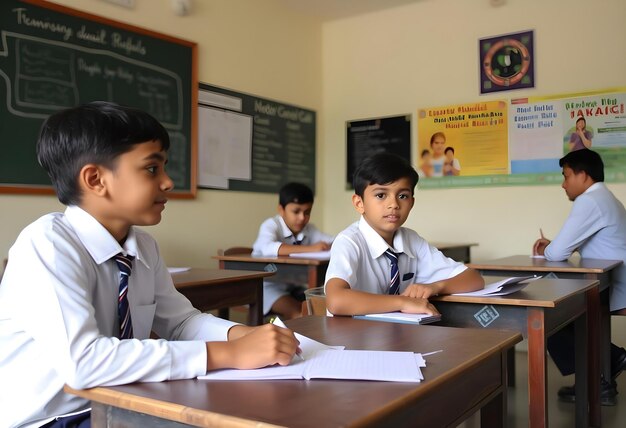
Independence does not require constant seriousness; it often grows through joyful practice. Activities that involve building, role-play, puzzles, cooking projects, or cooperative challenges can teach planning, patience, and teamwork without sounding like a lesson. Well-designed, fun learning activities also provide natural opportunities for leadership, such as explaining rules to a younger child or coordinating roles in a group task. When children experience competence in playful settings, they carry that confidence into more demanding responsibilities.
Inner Growth That Outlasts Rewards
External rewards can help in the beginning, but lasting independence is built on internal motivation. Children who learn to reflect “What worked?” “What was hard?” “What will I try next time?” develop ownership of their actions. This is where personal growth strategies matter most: practicing self-talk that is encouraging, learning to pause before reacting, and setting small goals that are achievable. Over time, children begin to guide themselves, which is the most durable form of independence.
Conclusion
Early independence is built through repeated opportunities to try, adjust, and try again within a supportive structure. When children learn to manage their time, make choices, and follow routines, they develop strengths that extend far beyond childhood. The outcome is not just a capable student, but a person who trusts their ability to handle change, solve problems, and contribute to a community with confidence and care.